
If you've ever walked into a Hong Kong-style cafe and watched someone pour tea through a sock-shaped filter, you've already had a front-row seat to one of the most beloved drinks in Cantonese culture. Hong Kong milk tea — called nai cha (奶茶) in Cantonese — is not your average cup of tea. It's richer, silkier, and more complex than what you'll find in most tea shops. And once you've had a proper one, nothing else quite hits the same.
This guide explains exactly what Hong Kong milk tea is, how it's made, why it tastes different, and where to find an authentic cup right here in San Francisco.
What Makes Hong Kong Milk Tea Different?
Most teas you encounter are made from a single type of tea leaf. Hong Kong milk tea is different — it starts with a blend of two to four types of black tea leaves, each chosen for a specific quality:
- Coarse leaves for depth and body
- Medium leaves for a bright, robust flavor
- Fine leaves for a smooth, lingering finish
This blending is what gives the drink its distinctive layered flavor — dark and bold on the first sip, smooth and slightly sweet on the finish. But the tea blend is only half the story.
The Evaporated Milk Secret
Most Western milk teas use fresh milk or cream. Hong Kong milk tea traditionally uses evaporated milk (and sometimes sweetened condensed milk). Evaporated milk has had about 60% of its water removed, leaving behind a rich, concentrated dairy flavor that coats the tea without diluting it.
The result: a drink that feels thicker and creamier than it looks, with a natural sweetness that doesn't need sugar to feel satisfying.
The Stocking Filter — Why It Matters
The classic brewing method involves steeping the blended tea in boiling water, then straining it repeatedly through a fine cloth filter — often called a "silk stocking" filter (絲襪奶茶, si mat nai cha). This repeated straining does two things:
- Removes the bitter tannins that make over-steeped tea unpleasant
- Creates the signature smooth texture — almost velvety on the palate
This is why a properly made Hong Kong milk tea tastes silkier than tea strained through a metal mesh or paper filter. The cloth catches the finest particles, leaving nothing behind but flavor.
Hot or Iced?
Hong Kong milk tea is served both ways, and regulars have strong opinions about which is better.
Hot (yit nai cha) — The classic version. Rich, aromatic, best in the morning with a piece of toast and some butter.
Iced (dong nai cha) — Poured over a glass packed with ice. The cold temperature softens the boldness slightly, making it smoother and more refreshing. Perfect on a warm afternoon.
At a traditional cha chaan teng, you'll usually order by saying "hot" or "cold" after the name. Regulars often drop the tea name entirely and just say "yit nai" or "dong nai."
Hong Kong Milk Tea vs. Bubble Tea — What's the Difference?
People often ask if Hong Kong milk tea is the same as bubble tea. They're not.
| Hong Kong Milk Tea | Bubble Tea | |
|---|---|---|
| Origin | Traditional HK cafes (1950s) | Taiwan (1980s) |
| Base | Blended black teas | Usually one type of black or green tea |
| Milk | Evaporated or condensed milk | Fresh milk or non-dairy creamer |
| Texture | Smooth, silky, no toppings | Often with tapioca pearls or add-ins |
| Flavor | Bold, rich, slightly bitter | Variable — often sweeter |
| Best paired with | Toast, egg tarts, or a full meal | Standalone drink or dessert |
Both are excellent. But they scratch different itches. Bubble tea is a modern dessert drink. Hong Kong milk tea is a cultural ritual.
What to Eat With Hong Kong Milk Tea
In a traditional cha chaan teng, Hong Kong milk tea is rarely ordered alone. It's part of a set meal (套餐, to chaan) — usually paired with:
- Buttered toast — sometimes with peanut butter and condensed milk
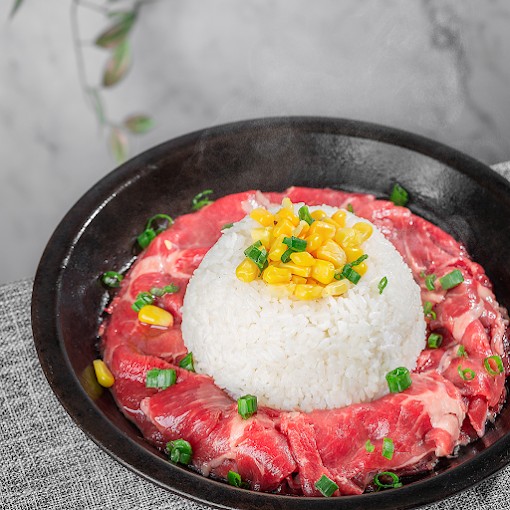
- Baked rice dishes — cheesy, rich, oven-baked with meats and sauce
- Egg tarts — flaky pastry shells with a silky egg custard filling
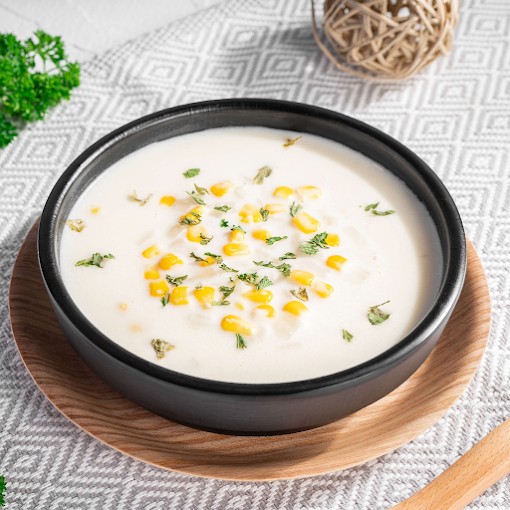
- Macaroni soup — a uniquely Hong Kong breakfast staple
The pairing philosophy is simple: the rich, slightly bitter tea cuts through the heaviness of the food and cleanses the palate between bites.
Where to Find Authentic Hong Kong Milk Tea in San Francisco
San Francisco's Sunset District is home to some of the most authentic Hong Kong-style cafes outside of Hong Kong itself. Smile House Cafe at 1030 Taraval St serves traditional Hong Kong milk tea made the old-school way — blended black tea base, evaporated milk, brewed and strained to order. Available hot or iced.
1030 Taraval St · San Francisco · Open Wed–Sun, lunch & dinner
Order Online →Frequently Asked Questions
Is Hong Kong milk tea caffeinated?
Yes. It's made from black tea, which contains more caffeine than green or white tea. A standard cup has roughly 50–75mg of caffeine — about half a cup of coffee.
Is Hong Kong milk tea sweet?
The evaporated milk adds natural sweetness, but it's not overly sweet. Many people drink it without added sugar. If you prefer sweeter, ask for condensed milk instead of evaporated.
What kind of tea is used in Hong Kong milk tea?
A blend of black teas — typically Ceylon, Assam, and sometimes Pu-erh or Yunnan. Each variety contributes something different: one for body, one for brightness, one for a smooth finish. The exact blend is often a closely guarded house recipe.
Can I make Hong Kong milk tea at home?
Yes. You'll need a blend of black teas (loose leaf works best), evaporated milk, and a fine cloth strainer. Brew the tea very strong — much stronger than you would for regular drinking — then strain twice and mix with evaporated milk to taste. It takes some practice to get the ratio right, but it's very doable.
Is Hong Kong milk tea the same as "Hong Kong-style milk tea" at bubble tea shops?
Not usually. Many bubble tea chains use a pre-mixed powder or a simplified base rather than a traditional brewed blend. The flavor is similar but lighter and less complex. A proper Hong Kong milk tea from a cha chaan teng is noticeably different — richer and more layered. Authenticity is worth seeking out; don't let a powdered version be your benchmark.